
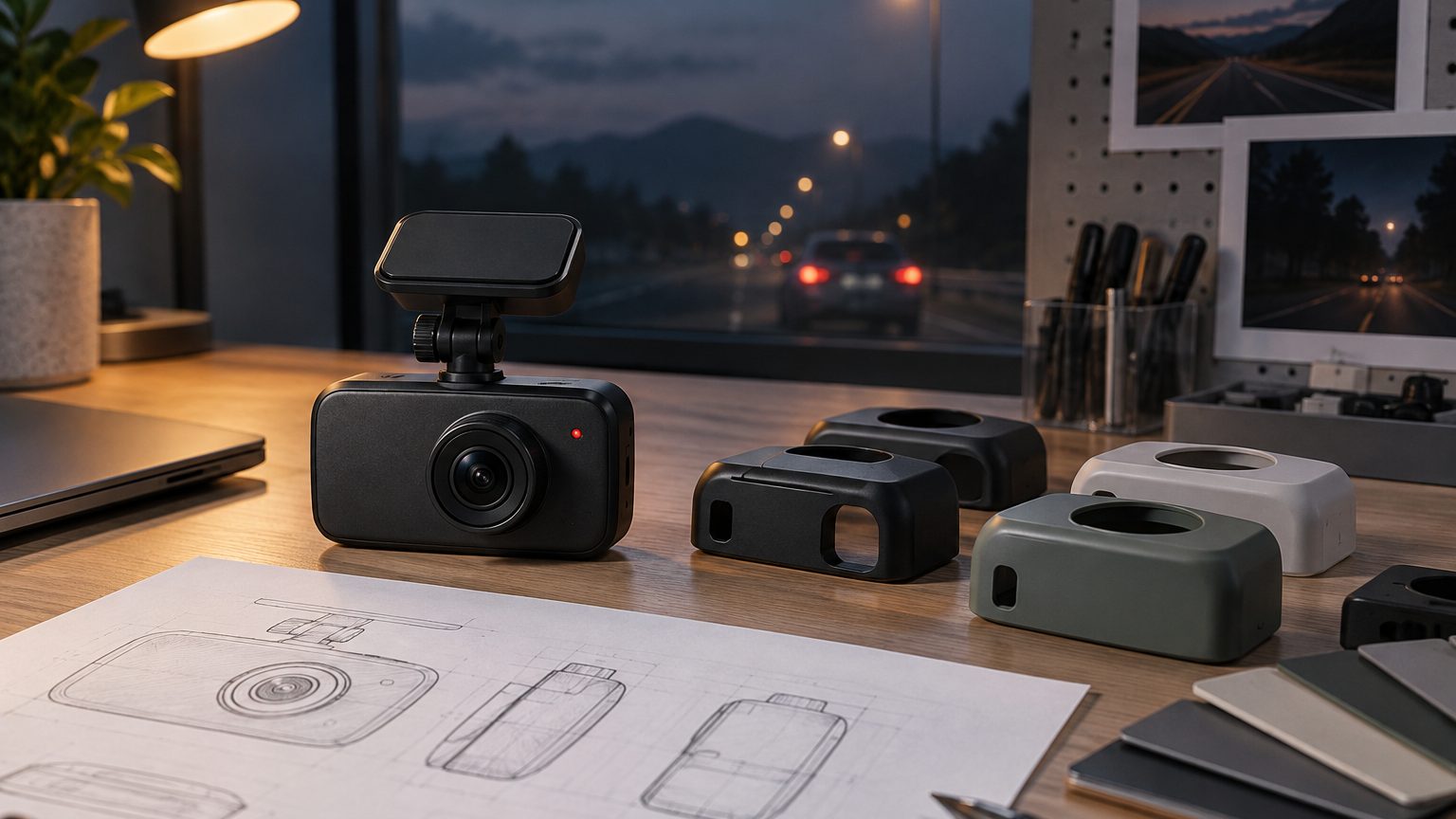
Two terms, one question
OEM, original equipment manufacturer, in this category means the partner factory builds its existing platform to your brand. ODM, original design manufacturer, means the factory also designs or modifies the product for you. In practice the line between them is a scale, not a switch, and the useful question is simply what you want to change. The desk turns that question into a written program with the factory, with reference minimums for each level. The figures below are typical terms published by Shenzhen OEM suppliers and seen in practice, confirmed in writing for each program.
The ladder of customization
| Level | What changes | Reference MOQ | Typical timing |
|---|---|---|---|
| Ready model, neutral | Nothing; factory packaging | Samples available; small trial orders | Stock samples ship in days |
| Private label | Your logo on housing and boot screen, your box, manual and warranty card | Typically from about 100 pcs per model | Stock-based models about 15 working days |
| Firmware and app branding | Boot screen, menu language, app name and icon, default settings | Higher than logo-only; confirmed per program | Custom samples about 7-15 working days |
| Housing change | Color, finish, mount, button layout | Per project | Depends on tooling |
| New housing or mold (ODM) | New industrial design and tooling | Quoted per project, with tooling cost and time per mold | Custom programs about 25-45 days after sample approval |
Private label: logo, box and manual
Private label is where most first programs begin, and it is the lowest-commitment way to make a dash cam yours without touching the electronics. The logo goes on the housing and on the boot screen, the packaging carries your brand and language, and the manual and warranty card follow. The unit is still the factory's tested platform, so risk is low and the timeline is close to a ready model. The packaging side is covered in private label packaging.
Firmware and app branding
This is the first step that changes the software. It can include a custom boot screen, voice prompt language, default settings and a branded companion app with your name and icon. It raises the MOQ because the factory must keep a separate firmware build and test it for your batch, and it also raises the importance of stable updates. Details of what is possible are on firmware and app customization. Firmware stability matters more than feature count, so the desk asks for a test period on the branded build before bulk.
Housing changes and new molds
Changes to the physical product fall into two classes. Small changes, such as color, texture or mount design, may reuse existing tooling or a modification of it. A genuinely new housing needs a new mold, with tooling cost and time quoted per project. This is the ODM end of the ladder: it makes sense when volume is large, the design is a clear differentiator, or a customer such as an installer or dealer program needs a specific look. For smaller programs, a ready platform with private label is nearly always the more sensible start.
Choosing your level
A useful rule is to match customization to proof of demand. Test a market with a ready model or light private label, then move to firmware and app branding when you have repeat orders and a brand worth reinforcing. Reserve a new mold for the point where volume and differentiation justify it. Programs that start at the top of the ladder often carry cost and timeline risk that are avoidable. The OEM vs ODM guide works through examples.
Common change requests and where they fall
Buyers tend to ask the same few questions in the first call, and the answers help place a request on the ladder. A different logo color or boot animation is private label or light firmware work. A new language in the menu or app belongs to firmware branding, and needs a test pass with native speakers for a good result. Changing the sensor or chipset is not a branding request at all: it is a different platform, with its own tuning and certification paperwork, and the desk treats it as a new model. Adding a hardwire kit, a card or a mount to the box is packaging and bundling, which sits close to private label in cost and time. Being clear about which category a request belongs to is what keeps a quotation realistic.
What the desk coordinates
The desk writes the spec sheet, selects partner factories that already build matching platforms, reviews samples, manages the golden sample, and keeps reference MOQ and timing in writing. Nothing is presented as Roadtrace's own product. Quality steps are on quality control, and numbers by route on MOQ and lead time. Start a brief with the quote form.