
BLOGHome / Blog
Dash cam buyer notes
Working notes for people who buy and sell dash cams: how the hardware works, how to read a spec sheet, which certifications apply, and how programs move from sample to carton.
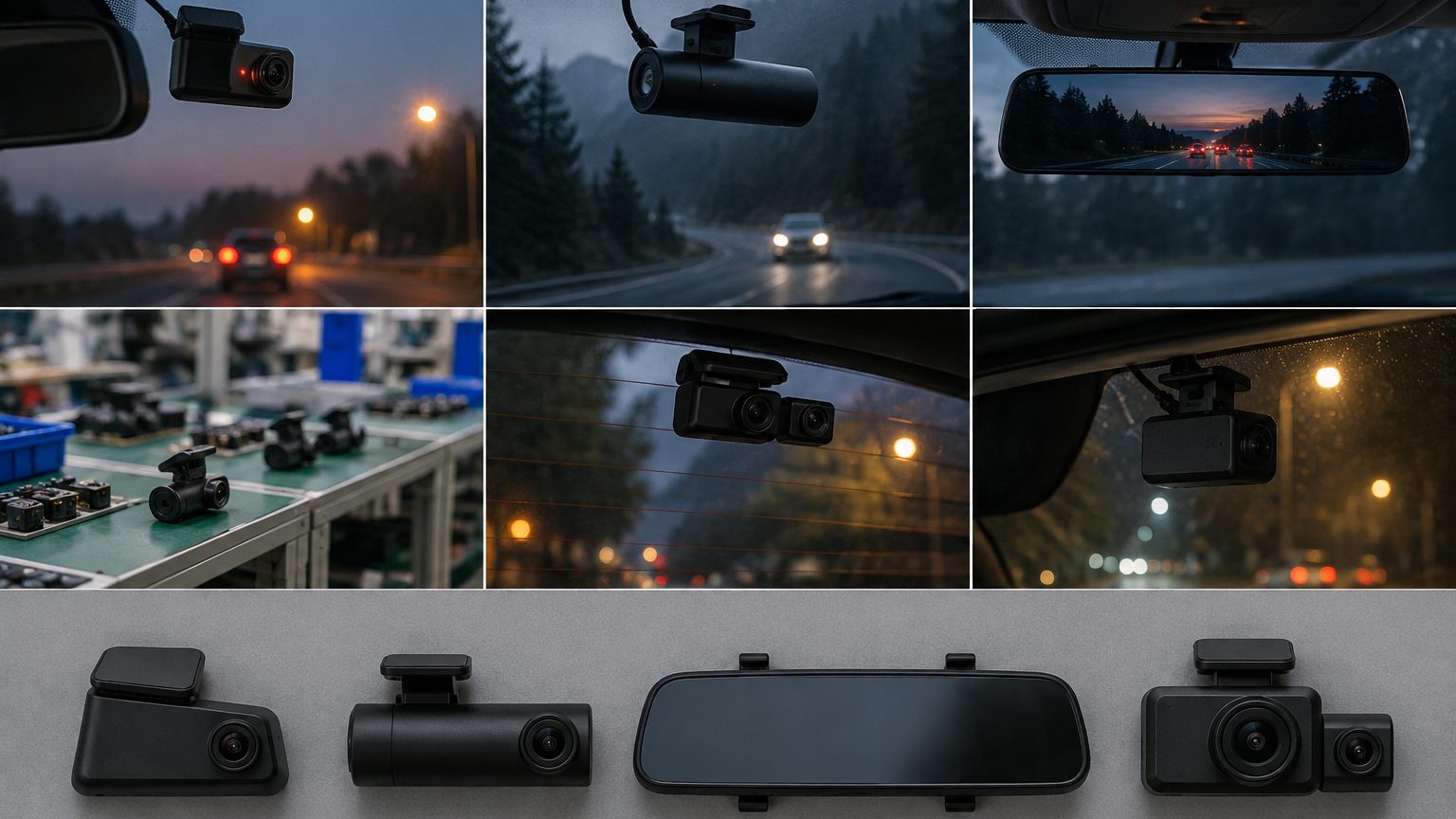 What is a dash cam? How car DVRs workA plain explanation of the dash cam: what is inside a car DVR, how loop recording and G-sensor locking work, the main types, and what buyers should check.
- Types of dash cams: single, dual, mirror and hiddenThe main types of dash cams explained for buyers: single-channel, front and rear, cabin, mirror, hidden and wireless units, with a table of who each one suits.
- Front and rear dash cams: what dual recording addsWhat a front and rear dash cam adds over a single camera: rear coverage, sensors, cable routing, storage and power, plus a checklist for resellers and fleets.
- Three-channel dash cams: front, rear and cabinHow three-channel dash cams combine front, rear and cabin cameras: infrared interior view, storage and power needs, privacy points and buyer questions.
- Rearview mirror dash cams: pros, cons and who buys themPros and cons of rearview mirror dash cams for buyers: large screen, clean windshield, glare and fitment issues, and which customers and vehicles suit them.
- Hidden and mini dash cams: discreet by designA buyer guide to hidden and mini dash cams: size, app control, heat limits, storage and legal points, plus who buys them and what to check before ordering.
- Wireless dash cams: what wireless really meansWhat a wireless dash cam really is: WiFi for phone download, battery operation, wireless rear cameras and 4G. Clear definitions and checks for buyers and sellers.
- Battery-powered dash cams: the honest trade-offsThe honest trade-offs of battery-powered dash cams: heat, battery ageing, shipping rules, runtime and when a supercapacitor design is the better sourcing choice.
- OEM-style dash cams: integrated looks explainedWhat OEM-style dash cams are: integrated, factory-look units with hidden wiring. How the term is used, what to check and how installers and dealers can source them.
- AI dash cams: ADAS, alerts and what is realWhat AI dash cams actually do: ADAS lane and collision alerts, driver monitoring, limits of accuracy, hardware needs and how buyers can test claims before ordering.
 Dash cam resolution: 1080P, 1440P and 4K comparedCompare 1080P, 1440P and 4K dash cam resolution: pixel counts, what each tier changes for plates and storage, and which line fits which buyer.
- True 4K vs upscaled 4K: reading the sensor specHow to tell a true 4K dash cam from an upscaled one: sensor megapixels, the IMX415 versus IMX335 case, sample tests and the questions to ask suppliers.
- Dash cam image sensors: what the model number tells youDash cam image sensors explained for buyers: what IMX415, IMX335, IMX675 and GC2053 mean, how sensor size relates to resolution and night video, and what to ask.
- Dash cam chipsets explained for buyersDash cam chipsets explained: what the SoC does, how NT96670, NT96675-class, RK1126 and Ambarella parts are used, and how to read a chipset line on a spec sheet.
- Frame rate and bitrate: why plates blurWhy dash cam plates blur: how frame rate, shutter speed, bitrate and compression interact, and what to check on a spec sheet and in sample footage.
- Field of view: 140 to 170 degrees in practiceWhat dash cam field of view means in practice: how 140 to 170 degrees changes coverage, distortion and plate detail, and which angle suits which vehicle.
- WDR and HDR in dash cams: glare and tunnelsWDR and HDR in dash cams explained: how each handles tunnel exits, low sun and headlight glare, how they differ, and what to verify with sample footage.
- H.265 vs H.264: storage and quality in dash camsH.265 vs H.264 in dash cams: how the codecs differ, why H.265 roughly halves storage at similar quality, and the compatibility and heat trade-offs buyers face.
- How to read a dash cam spec sheet line by lineA line-by-line guide to reading a dash cam spec sheet: sensor, chipset, codec, power buffer, storage, certifications and the lines that hide gaps.
- Supercapacitor vs battery: heat, life and shippingSupercapacitor vs lithium battery in dash cams: how each behaves in cabin heat, wear, shutdown handling and shipping rules, and which suits which buyer.
 Parking mode explained: time-lapse, motion and bufferParking mode explained for buyers: time-lapse, motion detection and buffered recording compared, with power, battery protection and listing notes.
- GPS in dash cams: speed, location and evidenceWhat GPS adds to a dash cam: speed and location stamps, route replay, privacy points and fleet use, plus module, certification and listing notes for buyers.
- WiFi and app dash cams: download without a cardHow WiFi and app dash cams work, what they cost in certification, firmware and support, and which buyers benefit, with a spec checklist for sourcing.
- Night vision in dash cams: sensors, IR and limitsWhat night vision means in a dash cam: low-light sensors, WDR, infrared cabin cameras and honest limits, with a buyer checklist for listings and sourcing.
- Loop recording and G-sensor event lock explainedHow loop recording and G-sensor event lock work in a dash cam, why cards fail, how to tune sensitivity, and what buyers should check in firmware and storage.
- ADAS alerts in dash cams: lane and collisionWhat ADAS alerts in a dash cam really do: lane departure, forward collision and start-off prompts, their limits, firmware effort and how to describe them.
- 4G and cloud dash cams: live view for fleetsHow 4G and cloud dash cams work for fleets: live view, alerts, uploads, SIM and data plans, radio certification, platform choices and what buyers should check.
- Voice control and screens: dash cam interface choicesScreen, buttons, voice control or app only: how dash cam interface choices affect cost, heat, driver safety, translation and returns, with a buyer table.
- Audio recording in dash cams: settings and rulesHow audio recording works in dash cams, why it is switchable, how privacy and recording rules vary by country and state, and what sellers should configure.
- Dash cam heat resistance: hot climates and sunWhy heat is the main dash cam failure in hot climates, how supercapacitors, housings and cards differ, and what to ask suppliers before selling in sunny regions.
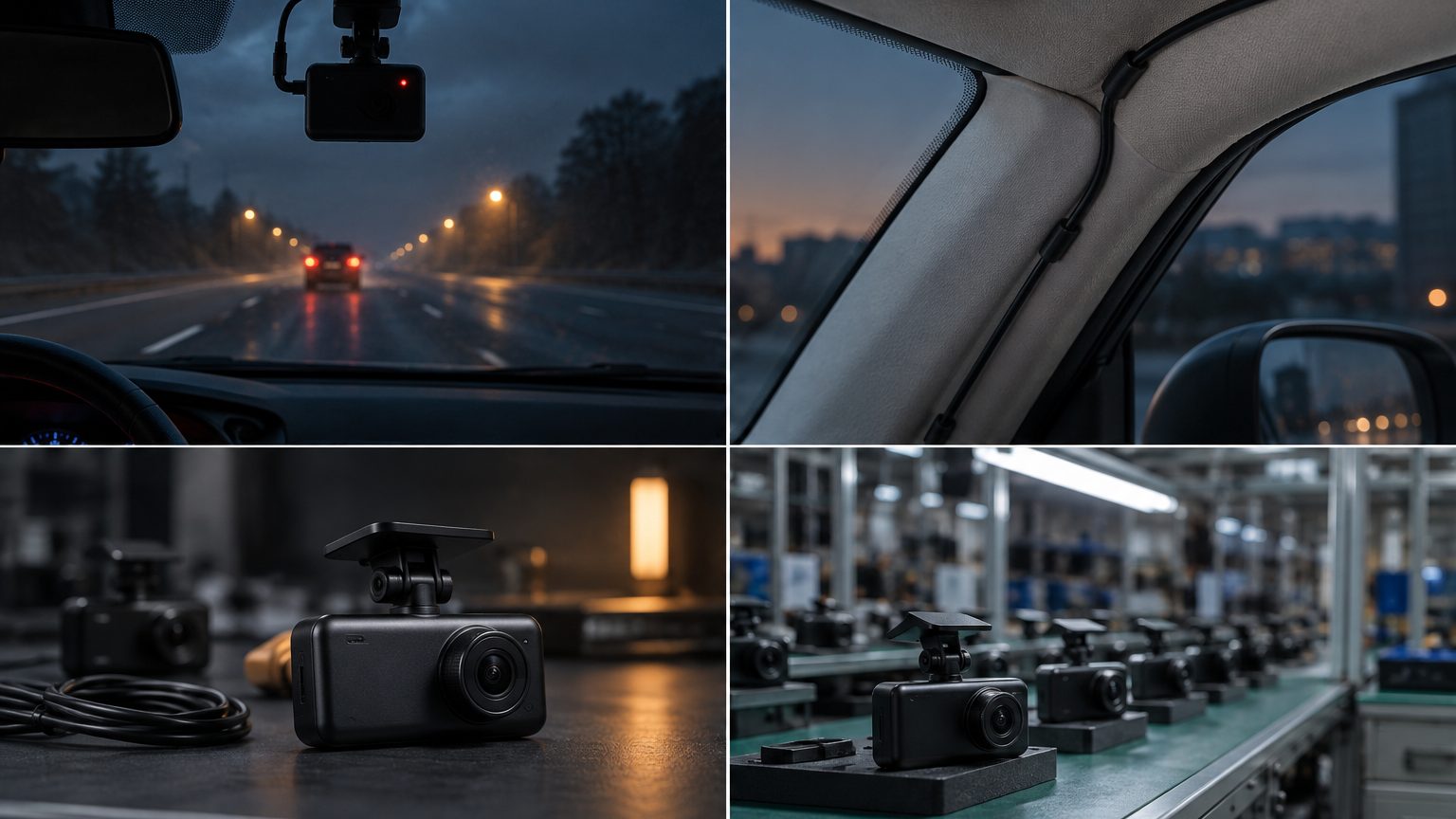 How to install a dash cam: a clean setup guideA step-by-step guide to installing a dash cam cleanly: choosing the spot, routing the power cable, connecting power, setting up and checking the first recording.
- How to hardwire a dash cam to the fuse boxLearn the standard method for hardwiring a dash cam: choosing constant and ignition fuses, using add-a-fuse taps, finding a ground point and testing the install.
- Hardwire kits: low-voltage cutoff and fuse tapsA buyer's guide to dash cam hardwire kits: how step-down and low-voltage cutoff work, fuse tap types, connectors, 12V versus 24V and what to specify for bundles.
- OBD power cables for dash cams: when they fitUnderstand OBD power cables for dash cams: how they work, when they suit a vehicle, limits for parking mode, and what installers and sellers should check first.
- Routing the rear camera cable neatlyHow to route a dash cam rear camera cable cleanly: paths for sedans, SUVs and vans, door and tailgate flex points, trim removal, and tips for installer shops.
- Dash cam mounts: adhesive, suction and mirror bracketsCompare dash cam mounts: adhesive pads, suction cups and rearview mirror brackets. Learn trade-offs in stability, heat, removal and what sellers should bundle.
- Where to place a dash cam on the windshieldWhere to place a dash cam on the windshield: height, centering, sensor zones, rear camera position, placement rules and a repeatable checklist for installers.
- Will a dash cam drain the car battery?Will a dash cam drain the car battery? How parking mode uses power, how low-voltage cutoff protects the battery, and what installers and sellers should explain.
- Dash cam installation kits for installer shopsWhat goes into a dash cam installation kit for installer shops: trim tools, cable clips, fuse taps, spare pads, training cards, packaging and bundle planning.
- Installing dash cams in trucks and vansHow to install dash cams in trucks and vans: 24V power, hardwire kits, long cable runs, cab layouts, multi-camera setups and fleet installation planning.
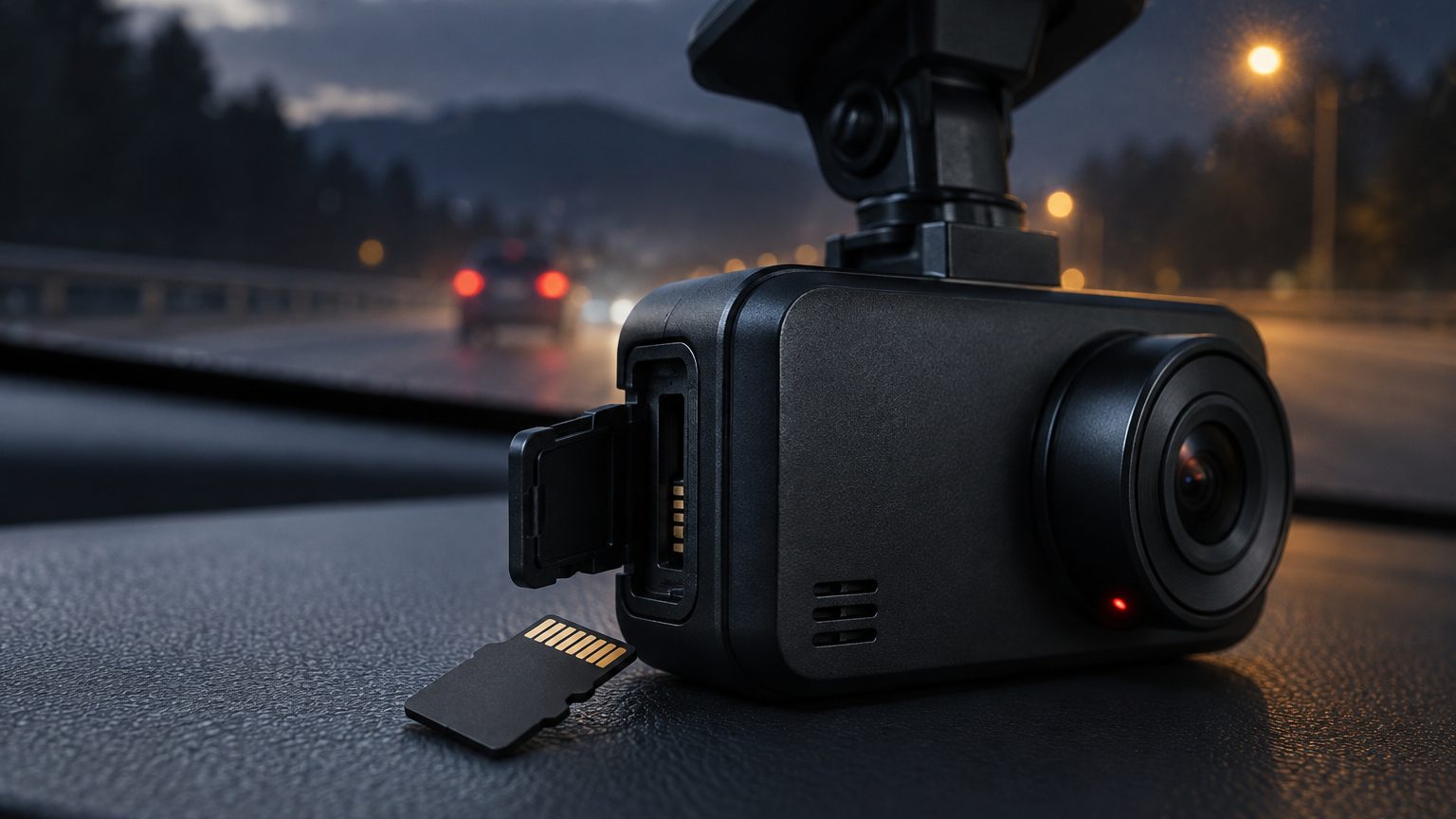 Choosing an SD card for a dash camHow to choose a microSD card for a dash cam: endurance rating, capacity, speed class, compatibility and what resellers should specify in a purchase brief.
- High-endurance SD cards for loop recordingWhy loop recording wears out ordinary microSD cards and what high-endurance cards change: write cycles, heat, error handling and how to spec them for dash cams.
- How much storage does a dash cam need?Estimate how much storage a dash cam needs from bitrate, codec and channels. A worked method for minutes per GB, with a card-size table and planning tips.
- SD card speed classes: U3, V30 and Class 10What the speed class symbols on a microSD card mean: Class 10, U1, U3 and V30 as minimum sustained write speeds, and which one a dash cam needs by resolution.
- How often to format a dash cam SD cardHow often to format a dash cam SD card, why formatting in the camera matters, what it erases, and a simple routine for single owners and fleets.
- How to download dash cam footageThree ways to download dash cam footage - card reader, WiFi app and cable - with steps, file formats, common problems and a routine for fleets and resellers.
- Dash cam footage as evidence: what helps a claimGeneral guide to using dash cam footage in an insurance claim or dispute: what makes a clip useful, how to preserve it and what varies by country. Not legal advice.
- Corrupted dash cam files: causes and preventionWhy dash cam files become corrupted - power loss, worn cards, bad formatting, heat - how to recover what you can and how to prevent it in products and fleets.
- Bundling SD cards with dash cams: seller notesWhy sellers bundle a microSD card with a dash cam, how to specify it, label it, price the offer without quoting numbers here, and handle warranty and returns.
- Dash cam firmware updates: why and howWhy dash cam firmware is updated, how updates are applied by card or app, what can go wrong, and how sellers and fleets should manage versions across a program.
 Fleet dash cam programs: what operators needWhat a fleet dash cam program needs beyond the camera: channels, GPS, power, cloud options, driver privacy policy, pilots and how to source in volume.
- Dash cams for truckers: requirements and picksWhat long-haul and regional truck drivers and carriers need from a dash cam: field of view, rear and cabin views, 24V power, heat, storage and sourcing.
- Rideshare dash cams: cabin cameras and privacyHow driver-owned and operator programs choose a rideshare dash cam: front plus cabin infrared lens, night video, privacy signage, power and sourcing steps.
- Dash cams for new and teen driversHow to choose a dash cam for new and teen drivers: simple setup, GPS speed stamp, app review, parking mode, family and driving-school programs, and privacy.
- Dash cams for car rental and subscription fleetsHow rental and subscription fleet operators can use dash cams: damage disputes, driver mix, quick installs, rotation, privacy notices and sourcing a standard unit.
- Dash cams for delivery vans and last mileWhat delivery van and last-mile operators need from dash cams: rear views, stop-start power, short stops, driver coaching, storage, install and sourcing.
- Dash cams and insurance: evidence and programsHow dash cam footage helps in insurance claims, what makes a clip useful, and how insurers and telematics programs can source GPS-stamped dash cams.
- Dash cams for buses and passenger transportWhat bus, coach and passenger transport operators need from dash cams: multi-channel views, vibration and heat, power, passenger notice, privacy and sourcing.
- Motorcycle dash cams: weatherproofing and mountsWhat to ask for in a motorcycle dash cam: weatherproof rating and test report, vibration-proof mounts, power from the bike, storage, heat and sourcing notes.
- Dash cams for hot and cold climatesHow to choose and install dash cams for hot desert summers and freezing winters: supercapacitors, operating range, mounts, storage and sourcing questions.
 FCC rules for dash cams: SDoC and FCC IDHow FCC Part 15 applies to dash cams sold in the US: SDoC for non-radio models, FCC ID for WiFi and 4G models, who is responsible, and what to request.
- CE and RED for dash cams sold in EuropeWhat the CE mark means for dash cams in the EU: EMC, LVD, RED for WiFi and 4G models, the Declaration of Conformity, importer duties and what to request.
- E-mark and ECE R10 for vehicle electronicsWhat the E-mark and UNECE Regulation 10 mean for dash cams: vehicle EMC, when fleet and commercial buyers ask for it, and how to check the approval documents.
- RoHS and WEEE for dash cam importersWhat RoHS and WEEE mean for dash cam importers: restricted substances, test evidence, take-back marking and registration, and the documents to request.
- UN38.3 and lithium batteries in dash cam shippingHow UN38.3 and lithium batteries affect dash cam shipping: test summary and SDS, air versus sea handling, supercapacitor models, and what to ask the factory.
- Are dash cams legal? A general overviewA general overview of whether dash cams are legal: video recording, audio, privacy, windshield placement and commercial use, with a reminder to check local law.
- Dash cam privacy: recording people and platesGeneral guidance on dash cam privacy for sellers and fleets: recording people and number plates, cabin cameras, audio, retention and notices, with local-law caveats.
- Windshield mounting rules: placement by regionA general overview of dash cam windshield mounting rules: why placement is regulated, typical safe zones, mount types and what sellers should print in the manual.
- Reading dash cam test reports and certificatesHow to read dash cam test reports and certificates: report numbers, lab names, model matching, standards, dates and red flags, plus what to request from a factory.
- UKCA and other market marks for dash camsAn overview of UKCA and other national market marks for dash cams: the UK, Japan, Korea and beyond, plus how to plan documents for multi-market sales.
 How to source dash cams from ChinaA practical route for sourcing dash cams from China: choose ready model or OEM, brief the spec, test samples, plan MOQ, inspection and shipping.
- Dash cam OEM vs ODM: what changesDash cam OEM versus ODM explained for buyers: who owns the design, what you can customize, how MOQ, tooling and lead time change, and which route to pick.
- Dash cam MOQ explained: logo, firmware, moldDash cam MOQ explained by layer: neutral models, logo and packaging, firmware and app branding, and new molds, with typical reference ranges and how to plan.
- Dash cam sample checklist before bulkA working checklist for dash cam samples: spec check, recording, night image, GPS and WiFi, heat, firmware, packaging and paperwork, before you approve bulk.
- Choosing a dash cam factory: questions to askHow to choose a dash cam factory: key questions on design ownership, components, testing, certificates, firmware support and after-sales, with a scoring table.
- Private label dash cams: logo, box, appA guide to private label dash cams: what you can brand on the unit, box, manual, firmware and app, what stays the factory's, and how to plan artwork and MOQ.
- Branding a dash cam app: what is possibleWhat can be branded in a dash cam app: name, icon, colors, languages, onboarding and cloud links, plus the limits, store setup, support and cost drivers.
- Dash cam cost structure: where price comes fromWhere a dash cam quotation comes from: sensor, chipset, screen, power buffer, connectivity modules, housing, packaging, certification, card and freight, explained.
- The Shenzhen dash cam cluster explainedWhy most dash cams come from Shenzhen: the electronics cluster, chip and sensor suppliers, assembly and logistics, and how a buyer uses that map for sourcing.
- Dash cam warranty and returns for resellersHow resellers should set dash cam warranty and returns: terms to agree with the supplier, defect handling, spare units, firmware fixes and customer-facing policy.
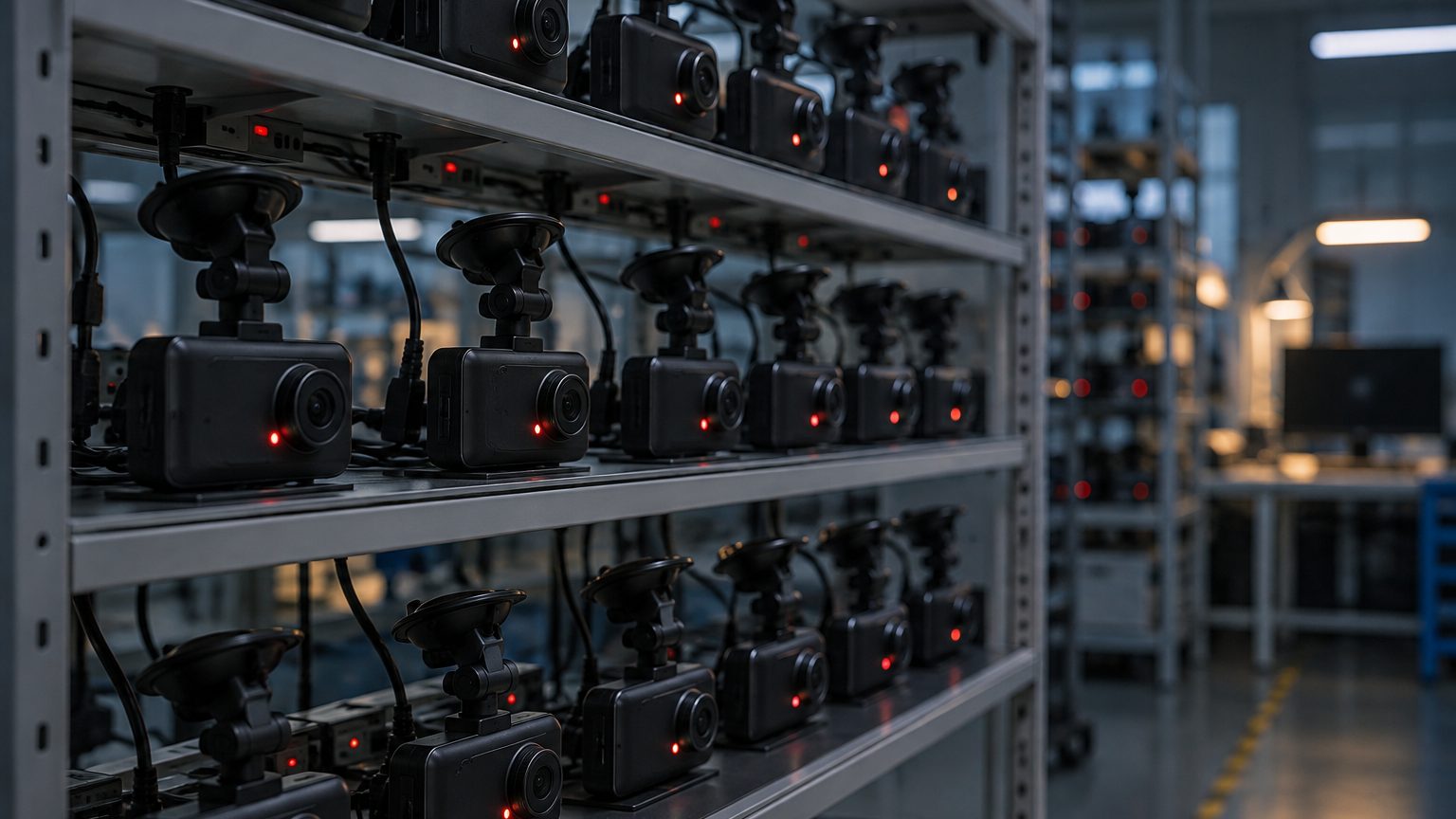 How dash cams are made: from SMT to packingA step-by-step walk through dash cam production as it typically runs at Shenzhen partner factories: SMT, lens focus, firmware, testing, burn-in and packing.
- Lens focus calibration in dash cam productionWhy each dash cam lens must be focused individually, how a resolution chart is used on the line, what goes wrong when focus drifts, and what to ask a factory.
- Burn-in and aging tests for dash camsWhat burn-in and aging tests are in dash cam production, why they catch early failures, how run duration is set per program, and what a buyer should request.
- Dash cam quality inspection: AQL and defect classesHow pre-shipment inspection works for dash cams: AQL sampling under ISO 2859-1, defect classes, what inspectors check, and how buyers set levels per order.
- Dash cam lens quality: glass, coatings and flareWhat decides dash cam lens quality: glass versus plastic elements, coatings, aperture, flare and ghosting at night, and how buyers can compare samples.
- Dash cam housings: materials and heatDash cam housing materials explained: PC, ABS and PC+ABS blends, how heat affects fit and finish, what to ask in a material declaration, and sample checks.
- Dash cam functional testing: GPS, WiFi and G-sensor checksWhat a dash cam functional test covers: recording, GPS lock, WiFi pairing, G-sensor, buttons and screen, how it is run on the line and how to repeat it on samples.
- Firmware quality: stability over featuresWhy firmware stability matters more than feature count in dash cams: version control, card compatibility, power-loss handling, update paths and what to ask.
- Dash cam packaging: from gift box to master cartonHow dash cam packaging is built in layers: retail gift box, inserts, accessories, manuals, inner cartons and master cartons, with spec points and checks for buyers.
- Dash cam defect rates and what a buyer can controlWhat drives dash cam defect rates, why industry averages mislead, which factors a buyer controls, and how to track and discuss defects with a factory in writing.
 Shipping dash cams from China: modes and timesHow dash cams ship from Shenzhen: express for samples, air for urgent restocks, sea for volume, typical transit ranges, packing and what to confirm per shipment.
- Incoterms for dash cam orders: FOB to DDPEXW, FOB, CIF, DAP and DDP explained for dash cam buyers: who pays, who carries risk, what each term means for Shenzhen orders, and how to choose one.
- HS codes for dash cams: a broker conversationHow to approach HS classification for dash cams: why function drives the code, which candidate headings to raise with a licensed customs broker, and what to prepare.
- Marketplace-ready dash cams: labels and prepWhat marketplace-ready dash cams need: barcode labels, poly bags, carton marks and a prep checklist that cuts receiving problems for online sellers.
- Inventory planning for dash cam resellersA practical way to plan dash cam stock: lead times, reorder points, safety stock, SKU count, and balancing sea and air freight without overbuying a slow model.
- Selling dash cams online: pages that convertHow to build dash cam product pages that convert: spec clarity, honest claims, sample footage, fit and install info, bundles and support, without legal overreach.
- Dash cam bundles that sell: kits and cardsWhich dash cam bundles work for resellers: camera with high-endurance card, hardwire kit, rear camera or mount sets, how to price-free structure and prep them.
- Dash cam seasonality and promotion planningHow dash cam demand shifts through the year in qualitative terms, and how to plan production, shipping and promotions so stock lands before the window, not after.
- After-sales support for dash cam resellersHow resellers handle dash cam support: common failure causes, a triage flow, warranty and replacement terms to agree with the supplier, and tools that cut returns.
- Dash cam market overview for buyersA buyer-focused view of the dash cam market: attributed 2025 size estimates, demand drivers, segments, technology trends and what they mean for sourcing decisions.