
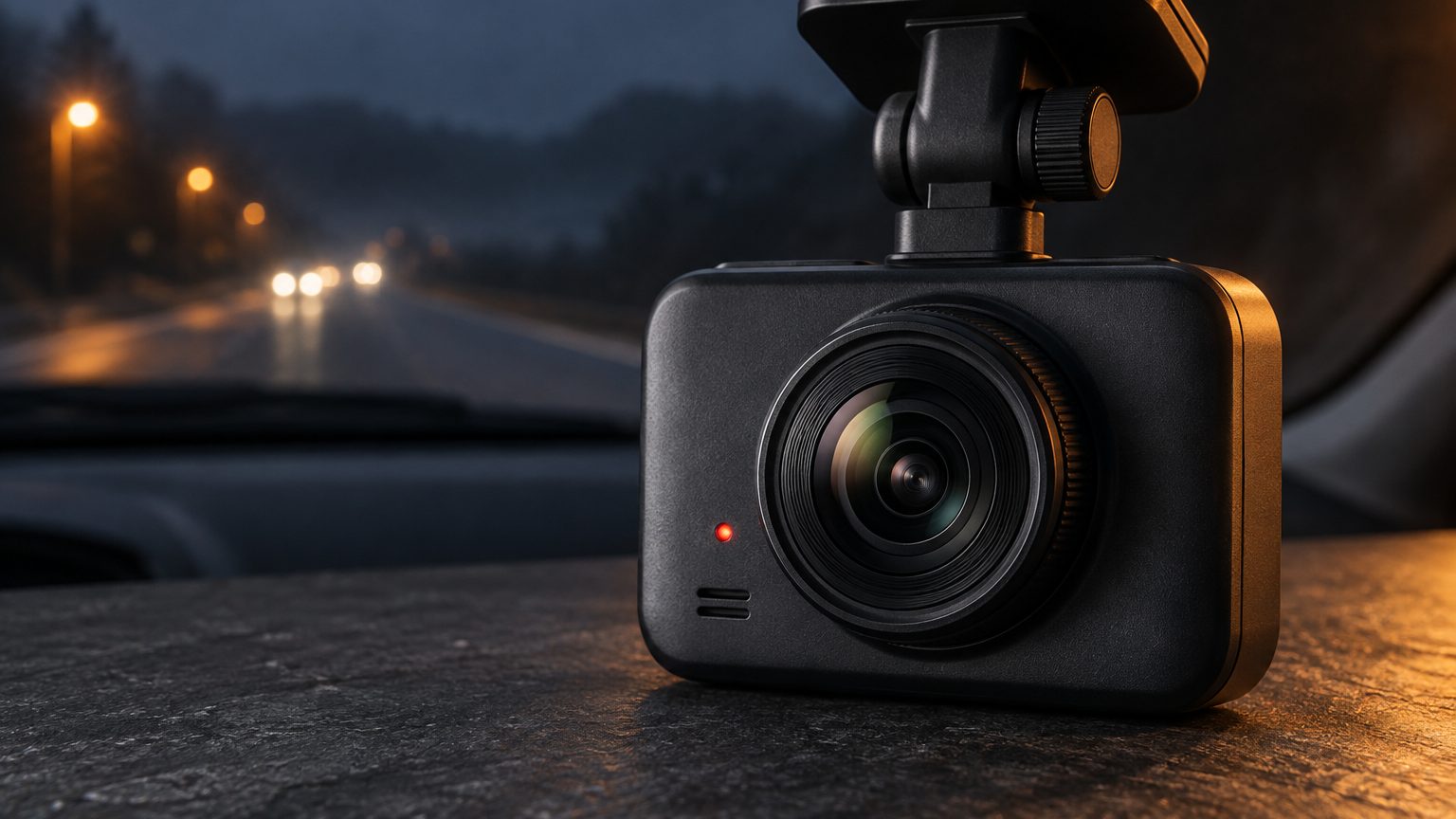
What a 4K single-channel dash cam is
A 4K single-channel unit records one direction - the road ahead - at a nominal 2160P. It has one lens, one recorder body and a power cable to the 12V socket or a hardwire kit. Compared with a dual system there is less to install, less to return and a lower entry commitment, which is why many ranges keep a single-channel 4K model as the clean upgrade above 1080P. If rear footage matters to your customers, the 4K front and rear line adds a second camera on the same idea.
The platform inside
Most 4K single units in the Shenzhen cluster are built on a Novatek NT96670-class chipset, a widely used 2160P at 30 frames per second class. Native 3840 x 2160 recording comes from a Sony IMX415, an 8-megapixel sensor. The trap for buyers is that some units sold as "4K" use the 5-megapixel Sony IMX335 and upscale the image, and newer premium platforms move to STARVIS 2 sensors such as the IMX675 for low light. The sensor line on the spec sheet is the one to read. The true 4K versus upscaled 4K guide shows how.
| Spec line | Typical platform | What to confirm in writing |
|---|---|---|
| Sensor | Sony IMX415, 8MP class | Model number, not only the word 4K |
| Chipset | Novatek NT96670 class | Chipset named on the sheet |
| Frame rate | 30fps class | Frame rate at full 4K, day and night |
| Codec | H.265 on most current platforms | Storage per hour at your settings |
| Power buffer | Supercapacitor | Heat tolerance for your climate |
| Storage | microSD, loop recording | Maximum card size and endurance class |
Options and variants
The base unit is usually a small body with a screen or a screenless form. Around it sit the options that change the program. A WiFi module lets the driver pull clips on a phone without removing the card, but it turns the unit into a radio device and changes certification. A GPS module adds speed and location stamps. A circular polarizing filter reduces windshield glare. A hardwire kit unlocks buffered parking mode. Each can be sourced as part of the unit or as an add-on, and each is worth deciding before samples are cut, not after.
Who buys it and for what
| Buyer | Scenario | Recommended setup |
|---|---|---|
| Marketplace seller | Upgrade story against 1080P listings | Single 4K, WiFi, bundled 128GB card |
| Retail chain or distributor | Mid-range shelf model | Single 4K, neutral or private label box |
| Installer shop | Quick install for commuters | Single 4K with hardwire kit option |
| Corporate gifting | Branded gift to staff or clients | Single 4K, logo on housing and gift box |
Single 4K against dual 4K
The choice is mostly about evidence. A single front camera records what happens ahead, where most fault disputes begin, and installs in minutes. A dual system adds the rear view for rear-end impacts and parking dents but needs a cable run and a larger card. Many online ranges carry both: the single unit at the entry of the 4K tier, the dual unit as the hero. Keeping both on the same chipset family means one firmware base and one app, which simplifies support.
Customization and packaging
Private label on this line usually means your logo on the housing and boot screen, your retail box, manual and warranty card. Shenzhen OEM suppliers commonly publish minimums from about 100 pieces per model for logo and packaging work. Firmware changes - a new menu, default settings, language lists - and app branding sit in the OEM tier and are quoted per project. The route is explained on the private label page and on firmware and app customization.
Certification notes
General information only; confirm with a compliance adviser or lab. A non-WiFi unit sold in the US is an unintentional radiator, handled by a Supplier's Declaration of Conformity under FCC Part 15. A WiFi model needs an FCC ID. In Europe, CE marking covers EMC and low-voltage safety, WiFi models fall under the Radio Equipment Directive, and RoHS applies. Programs for commercial vehicles often ask for an E-mark. The desk does not hold certificates; reports come from the producing factory or lab and are verified by report number, as set out in certifications.
Buyer checks before ordering
- Image check. Day and night clips at the agreed distance, plate readability, glare behavior.
- Heat check. Burn-in run per program, with the unit in a warm cabin condition if you sell in hot markets.
- Function check. Loop recording, G-sensor event lock, parking mode with the kit, WiFi pairing if fitted.
- Card check. A high-endurance microSD in the class the bitrate needs.
Reference lead times: stock samples ship in days, custom samples take about 7-15 working days, and bulk on a stock platform typically runs about 15 working days, each confirmed per program on MOQ and lead time. Send the lines and quantities through the quote form.