
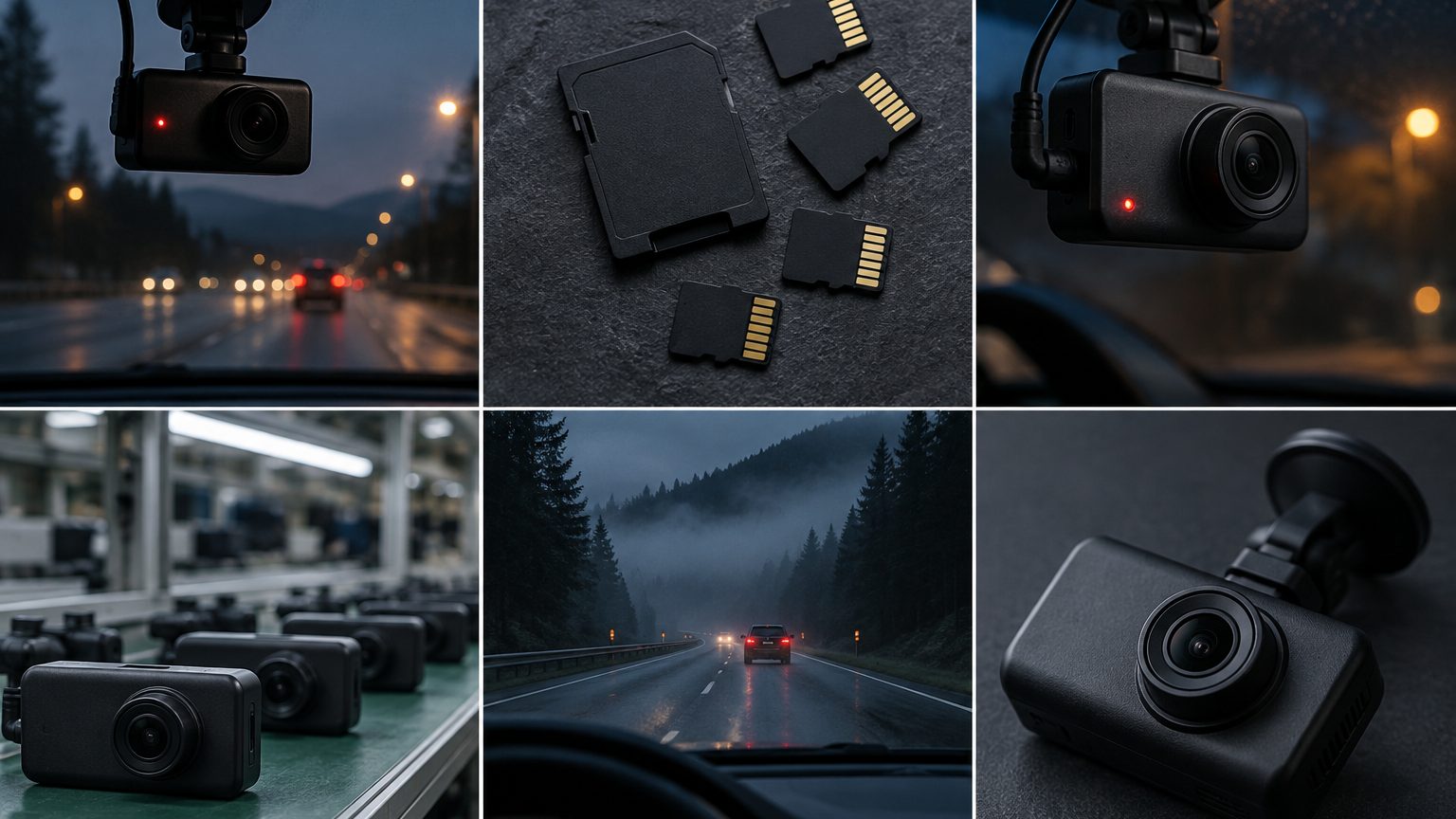
How the lines are organized
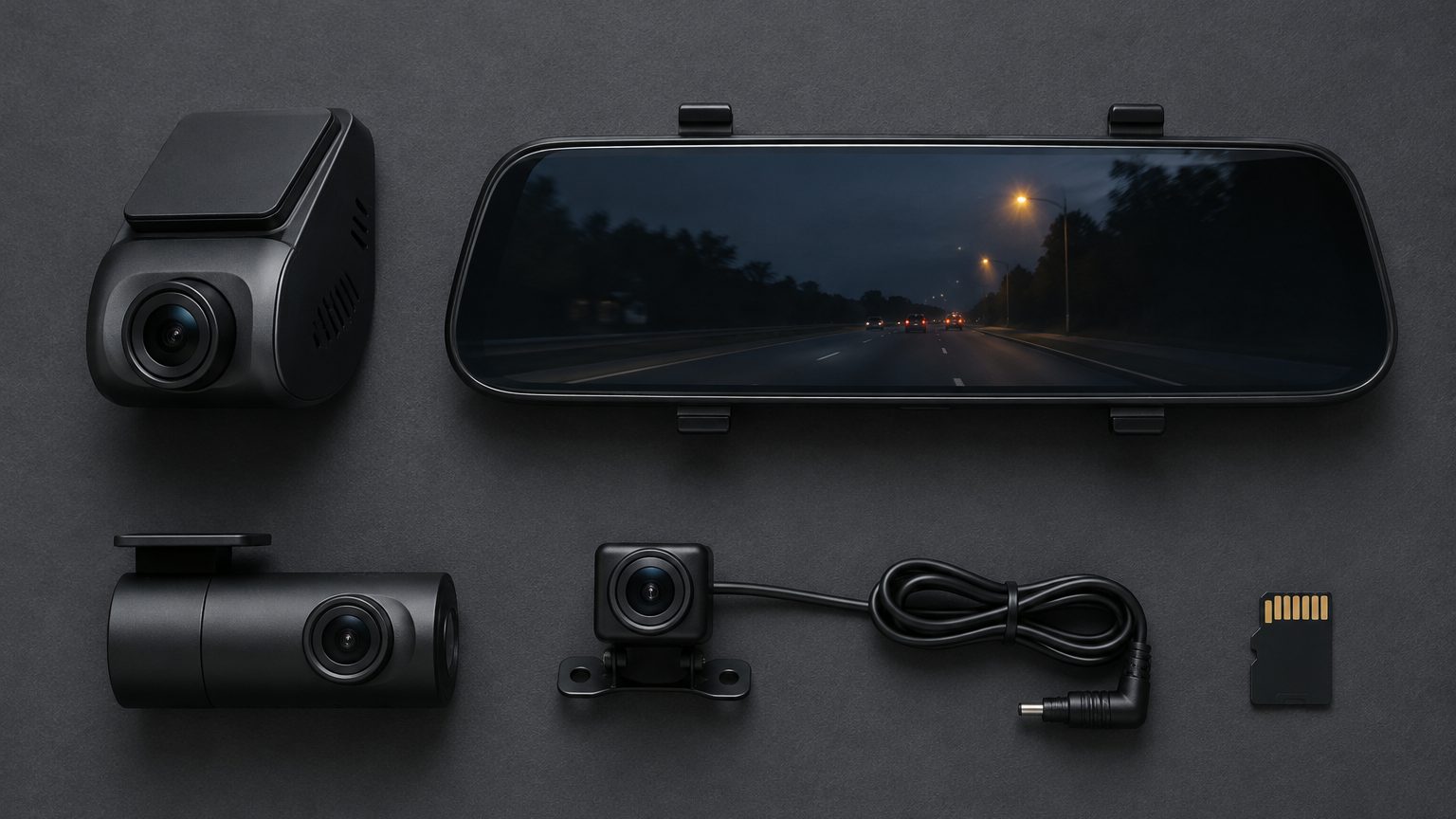
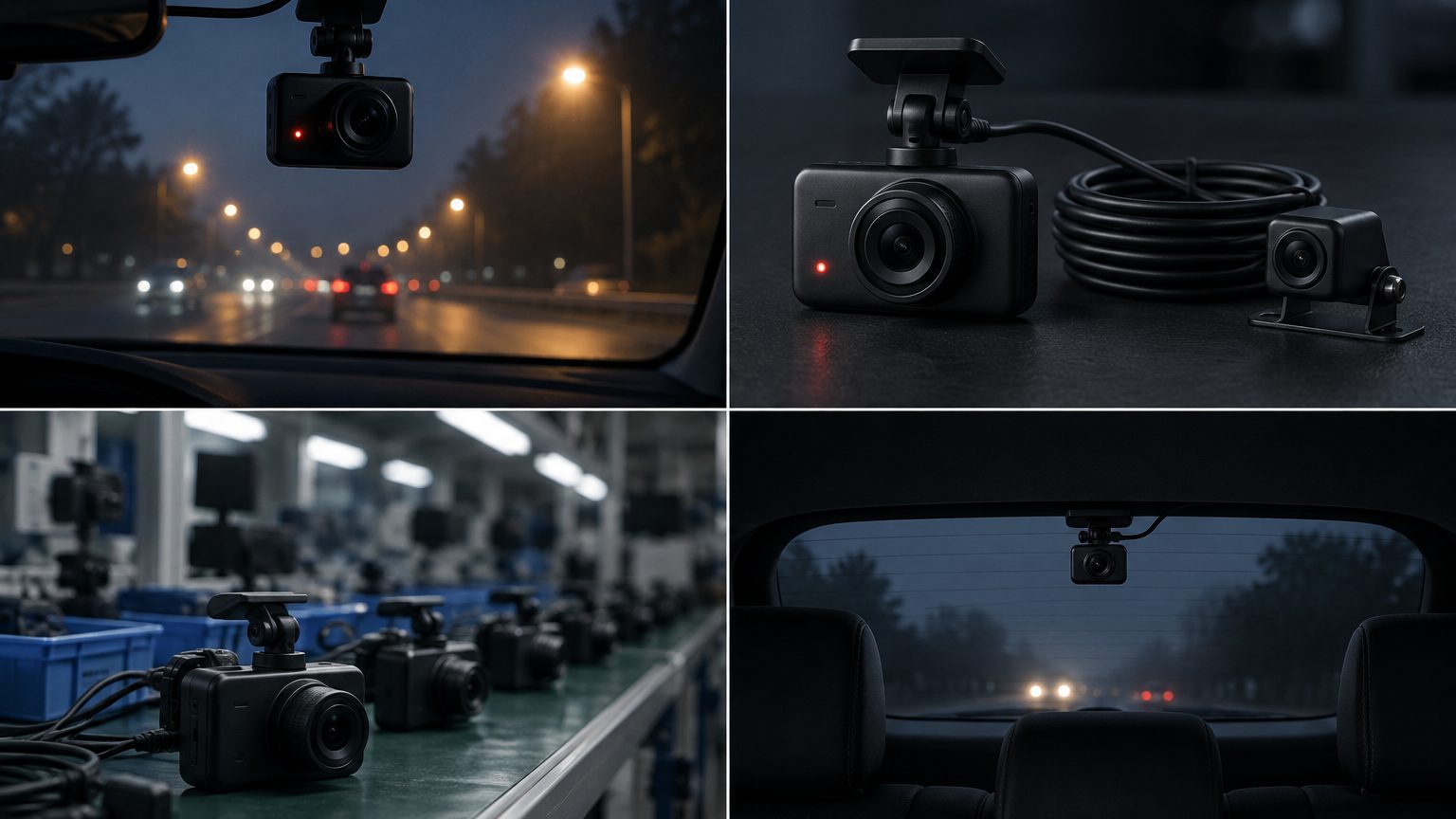
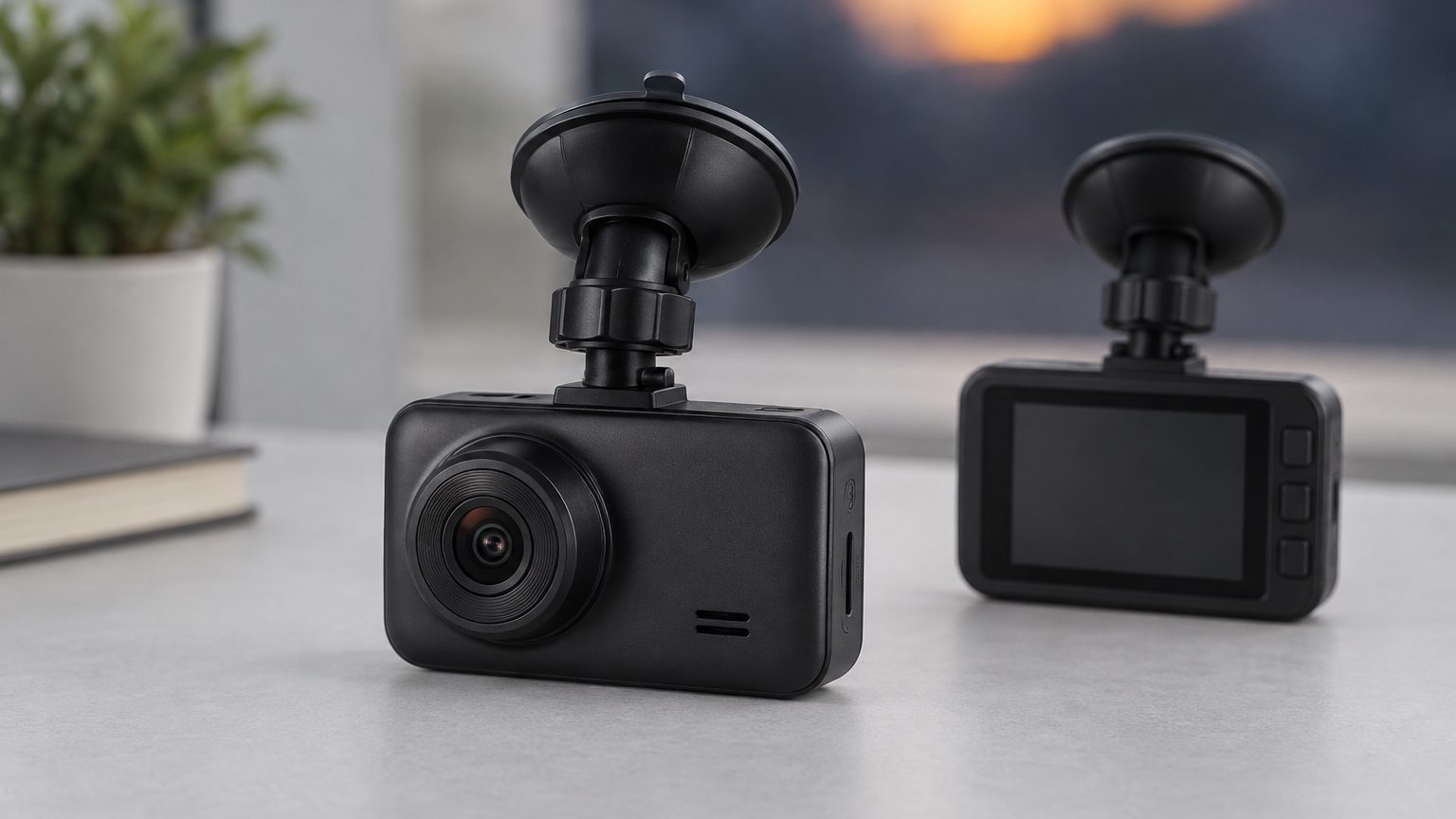
Dash cam catalogs are often sorted by price, which tells a buyer very little. The desk sorts lines by the decision a buyer has to make: how many channels, what form factor, which connectivity, and which vehicle or business it is for. Every line below can be supplied as a ready model with neutral packaging, as a private-label program with your logo and box, or as an OEM/ODM program where firmware, app branding or the housing changes. Read the routes on OEM and ODM.
| Decision | Lines | Typical buyer |
|---|---|---|
| Resolution and channels | 4K single, 4K front and rear, 1080P entry | Marketplace sellers, retail chains |
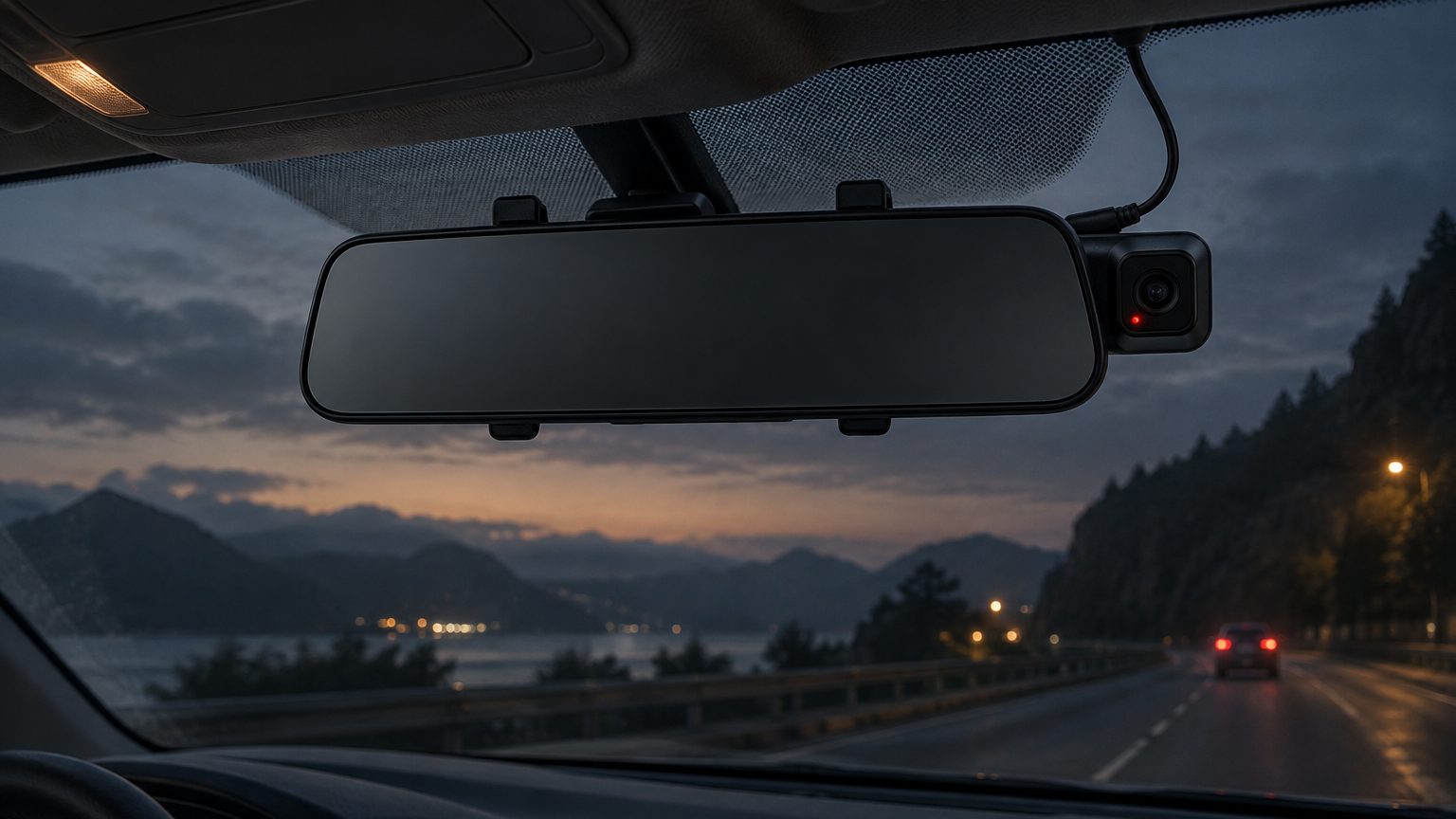
| Form factor | Mirror, hidden mini | Installers, OEM-style accessory programs |
| Connectivity and data | WiFi app, GPS tracking | Online sellers, insurance and fleet programs |
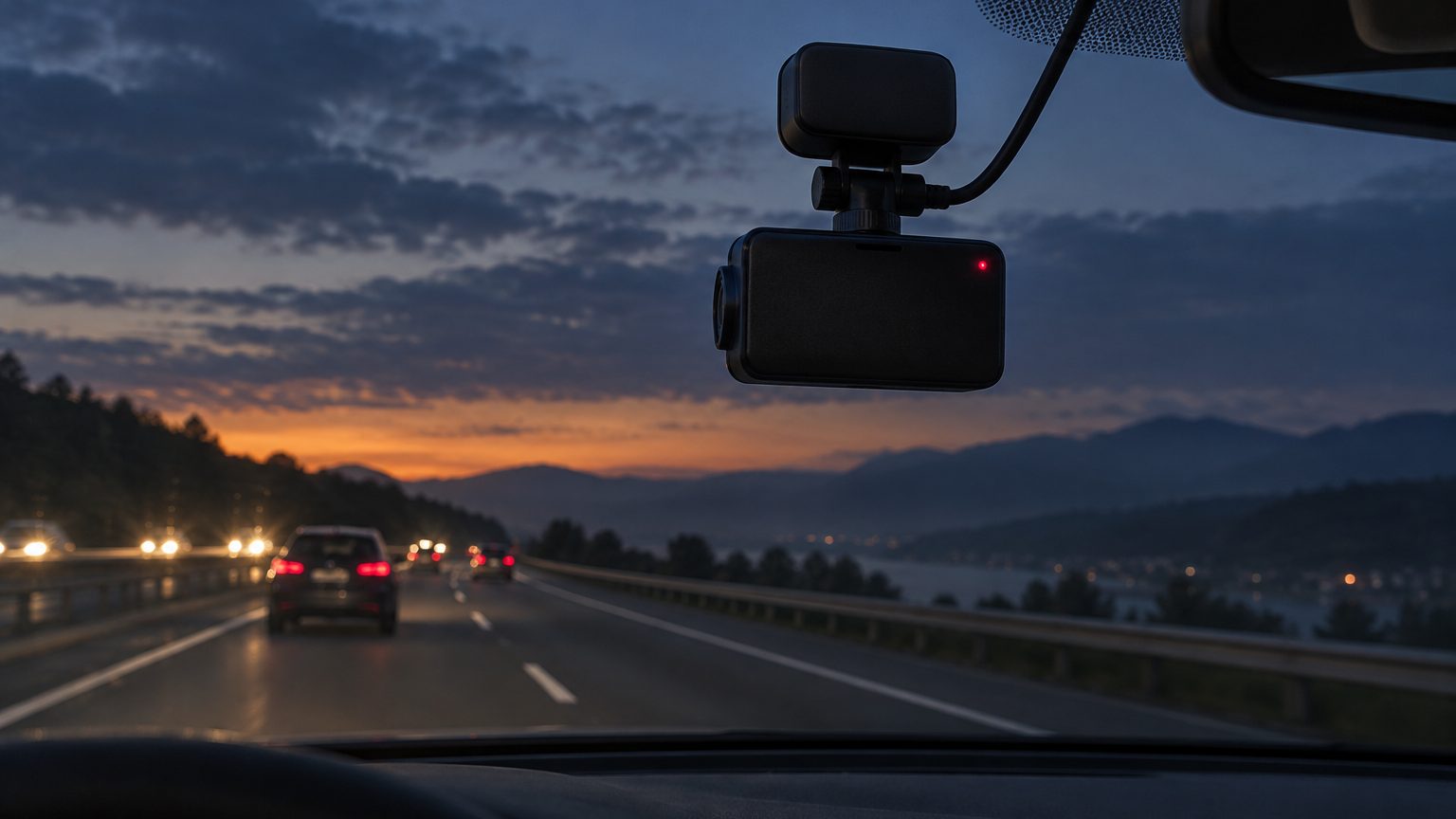
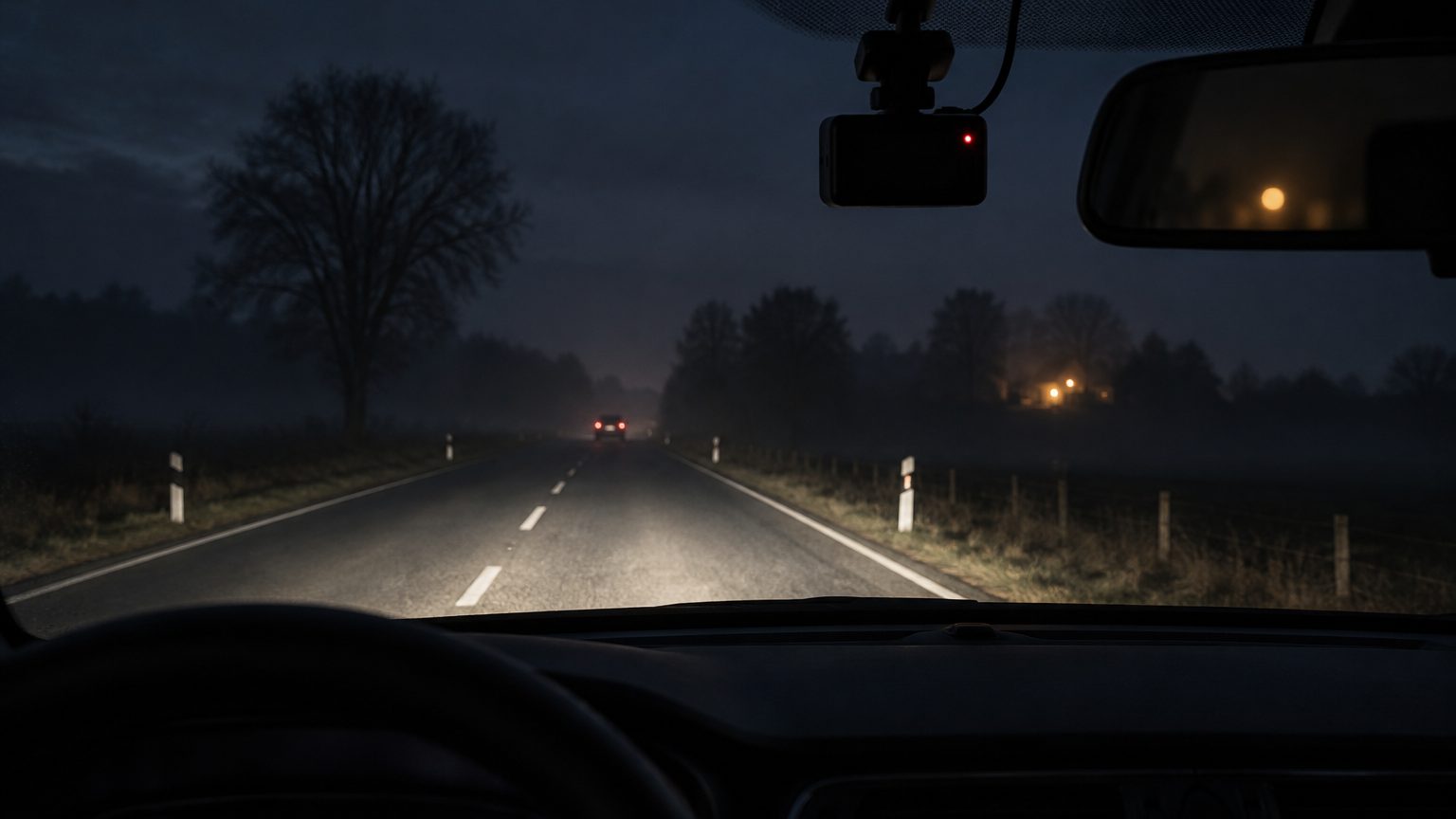
| Conditions | Night vision enhanced | Night-shift fleets, regions with long dark hours |
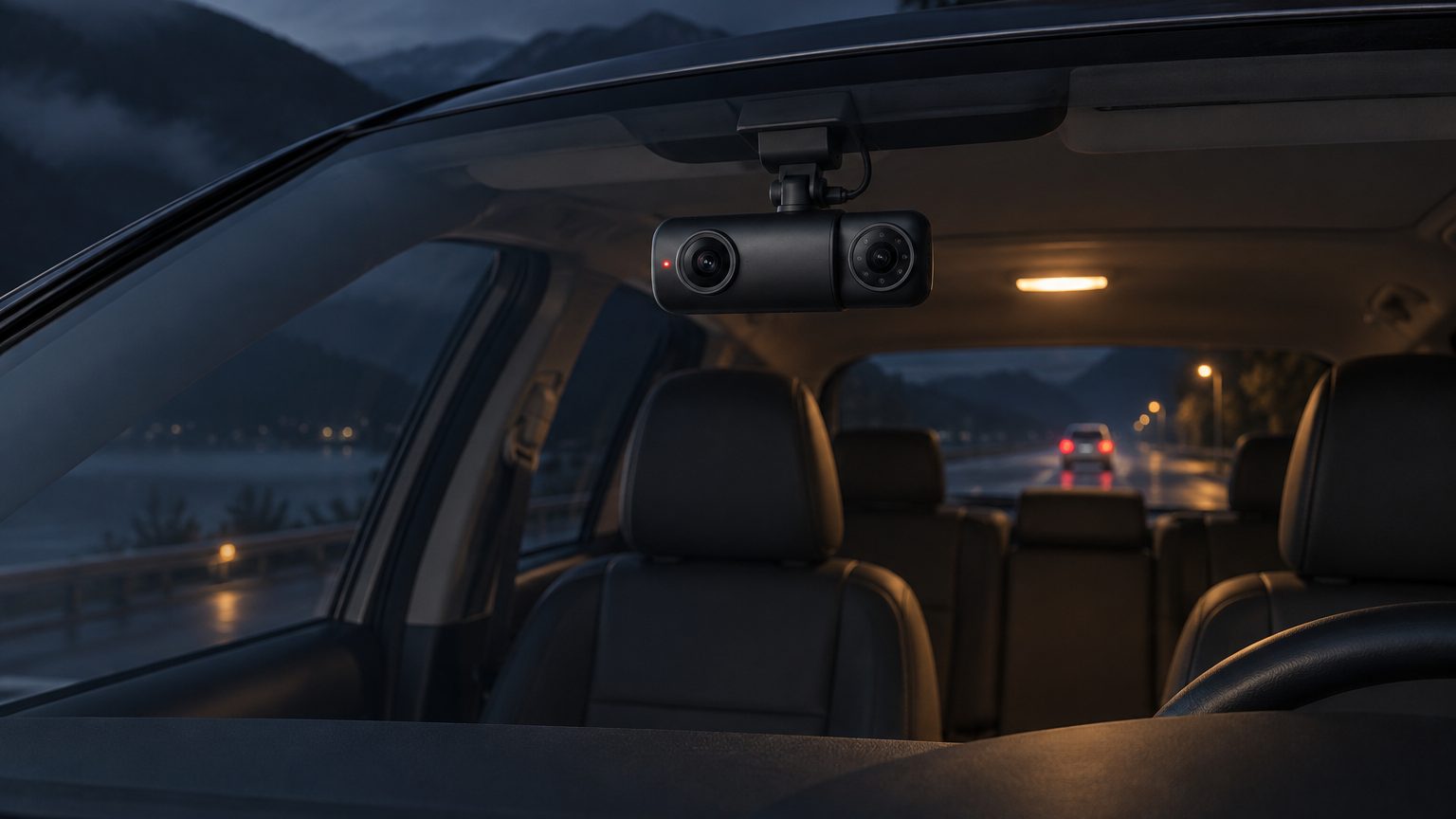
| Business use | Rideshare (front + cabin IR) | Rideshare and taxi operators |
| Installation and storage | Hardwire kit bundles, parking accessories, 64GB/128GB cards | Installers, bundle sellers |
What sits inside most platforms
Most 4K dash cams in the Shenzhen cluster are built on a Novatek NT96670-class chipset paired with a Sony IMX415, an 8-megapixel sensor that records native 3840 x 2160. Some units sold as "4K" use the 5-megapixel Sony IMX335 and upscale - a difference worth checking on the spec sheet before you print "4K" on a box. Newer premium platforms move to Sony STARVIS 2 sensors such as the IMX675 for low light, and rear cameras commonly use a 2-megapixel GalaxyCore GC2053. The technology page explains how to read these lines.
Choosing a starting range
Most first programs start with three lines rather than twelve: one hero model, one value model and one accessory that raises basket size. A typical online starter range is a 4K front-and-rear unit, a 1080P entry unit, and a hardwire kit bundle; a fleet starter is a GPS model, a rideshare or cabin model and SD cards in the right endurance class. Breadth comes after sell-through data, not before.
Ready model, private label or OEM
A ready model is the partner factory's existing platform with neutral packaging - fastest, lowest commitment, good for testing a market. Private label adds your logo on the housing, your box and manual; Shenzhen OEM suppliers commonly publish minimums from about 100 pieces per model for this. Firmware or app branding, a new boot screen, or a changed housing moves the program into OEM/ODM, where minimums and timing are quoted per project. The private label page shows what changes at each step.
How to choose: spec, scenario, line
The fastest way to narrow twelve lines to three is to start from where the camera will work and who will install it. The table is the shortcut most buyers use in the first call.
| If your customer needs | Scenario | Start with |
|---|---|---|
| Readable plates and a clear upgrade story | Retail and online consumer sales | 4K single or 4K front and rear |
| Low price point, simple setup | Gift, promotion and first-time buyers | 1080P entry |
| Cabin evidence and passenger safety | Rideshare and taxi | Rideshare (front + cabin IR) |
| Location, speed and route records | Fleets, insurance programs | GPS tracking |
| Integrated look, no screen | Installers, dealer accessory programs | Hidden mini or mirror |
| 24-hour coverage when parked | Urban parking, rental fleets | Parking accessories with a hardwire kit |
Seasonality and range depth
Dash cam demand in consumer channels peaks around year-end gifting and promotional events, while fleet and business demand follows budget cycles and contract wins. That difference matters for planning: consumer ranges need stock landed before the peak, which means sampling roughly three months ahead; fleet programs need consistent platforms across reorders so installers are not retrained every quarter. When a program spans both, the desk keeps the platform the same and varies packaging and bundles, which protects minimums and keeps after-sales simple.
What to send for a quote
A useful brief names the lines, channels, must-have features (GPS, WiFi, parking mode), the markets you sell into (for certification), quantities per model, branding needs and a target in-warehouse date. Send it with the quote form and the reply comes back as a written shortlist with spec sheets, sample plan and reference MOQ.