
The three inspection points
Factories describe quality control in three abbreviations. IQC is incoming quality control: checking components, boards, lens modules, housings and cards when they arrive. IPQC is in-process control: checks during the line, from solder to assembly to firmware flashing. OQC is outgoing quality control: the final sampling before units are packed and shipped. A factory that runs all three and keeps records is far easier to work with than one that relies on a final glance. The desk asks which of the three exist, who signs them and what is written down. The flow itself is on production process.
The golden sample
Quality needs a reference, and the reference is the golden sample. After sampling, you approve one unit that meets the spec sheet for image quality, function, finish and packaging. The factory keeps a matching unit, and the desk keeps another, sealed and labeled with the date and firmware version. Bulk is compared to it. Without a golden sample, arguments about whether a batch is "as agreed" become a matter of opinion; with one, they become a matter of comparison.
AQL sampling in plain terms
AQL, the acceptable quality limit, is a standard way to decide how many units to pull from a batch and how many defects of each class are tolerable before the batch is held. Defects are usually classed as critical (a safety or regulatory issue), major (a unit that fails to do what it should, such as not recording) and minor (cosmetic). The sampling plan and limits are agreed per program in writing before bulk starts, and the desk does not quote numbers that have not been agreed. The practical benefit for a buyer is a shared language: a held batch becomes a conversation about classes and counts, not about taste.
| Defect class | Dash cam examples | Typical handling |
|---|---|---|
| Critical | Overheating, missing safety markings, wrong power rating | Batch held until resolved |
| Major | No recording, no GPS lock, WiFi will not pair, soft focus | Counted against the agreed limit |
| Minor | Scratches, loose accessories, label offset | Counted against a separate limit |
Image quality checks, day and night
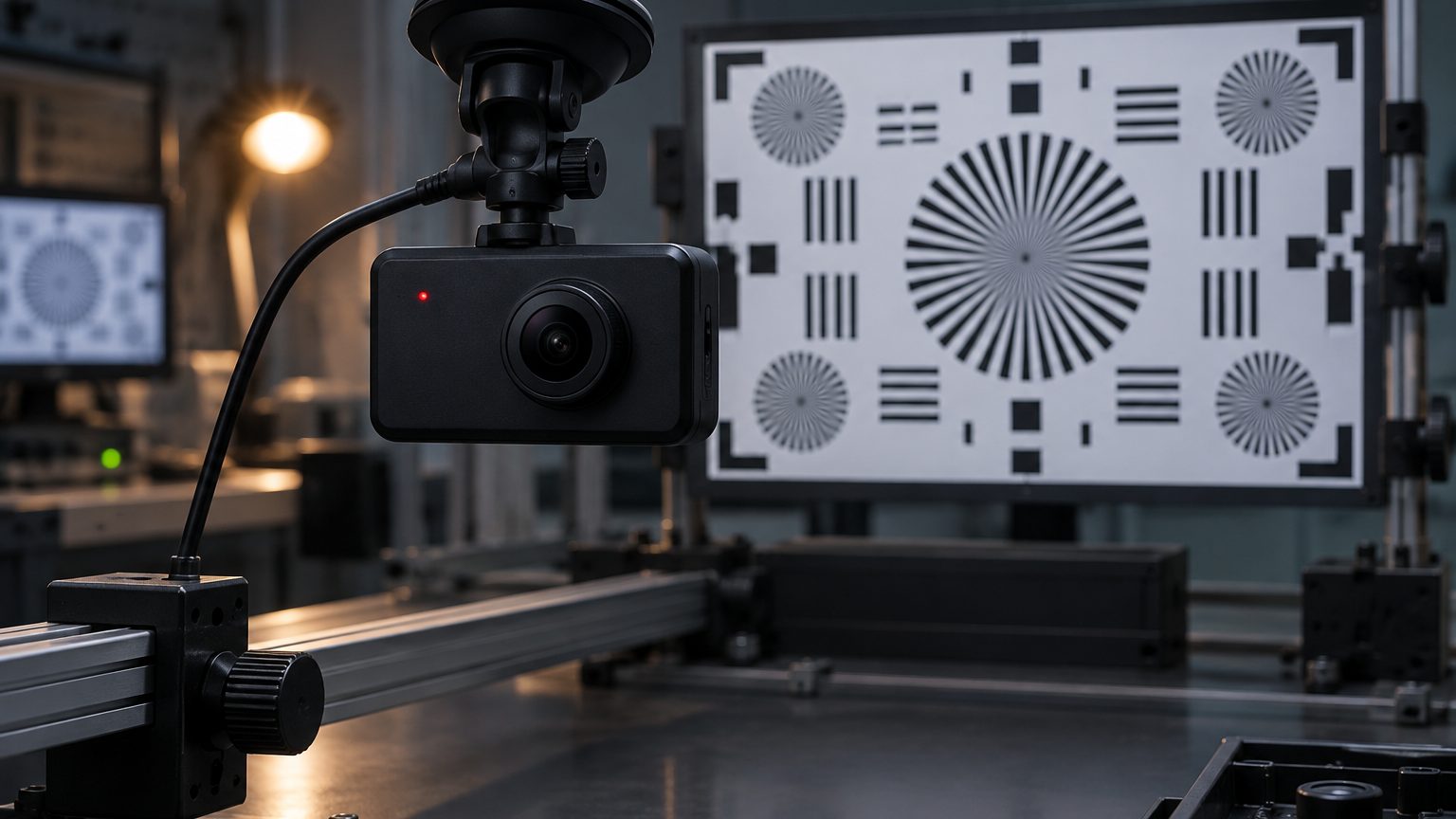
Specifications do not tell you how a camera looks on the road, so the desk reviews actual footage. Day clips are checked for sharpness, exposure and plate readability at an agreed distance; night clips for noise, glare and headlight handling, which is where WDR and sensor choice show their difference. Front and rear channels, GPS stamps and time stamps are checked together. Clips from bulk are compared to the golden sample so any drift in focus or color is caught. Night-focused lines are covered on the night vision page.
Report types available on request
Which reports exist depends on the factory and the program. The list below states what the desk typically asks for; it does not state test values, because those belong in the report itself.
- IQC, IPQC and OQC records from the factory.
- Burn-in and functional test logs for the batch.
- Pre-shipment inspection report with AQL sample size and defect findings.
- Photos and short video of the inspected cartons and units.
- Environmental and safety test reports from the factory or a lab, where relevant to your markets (see certifications).
Holding a batch and closing the loop
When a sample fails the agreed limit, the batch is held rather than shipped with a note. The factory is asked for a root cause, a corrective action and a re-inspection, and the findings are written into the program file so that the next batch starts from them. This is the part of quality control that buyers rarely see on a supplier website, yet it is what separates a one-off pass from a stable supply. The same record also helps if a marketplace complaint arrives months later, because the batch, firmware version and inspection date can be traced.
Third-party inspection
For first orders, high-value programs or fleet deliveries, an independent inspection company can inspect before shipment. It is optional, and the cost is quoted separately per program. The inspector works from the same spec sheet, golden sample and AQL plan, so the result is comparable to the desk's own review. The report is shared with you in full.
What buyers can control
Most quality disputes trace back to vague specs. The more a buyer writes down - sensor, frame rate in dual mode, cable length, card class, app languages - the less room exists for a surprise. The sample checklist is a starting point, and the quote form turns it into a spec sheet and plan.