
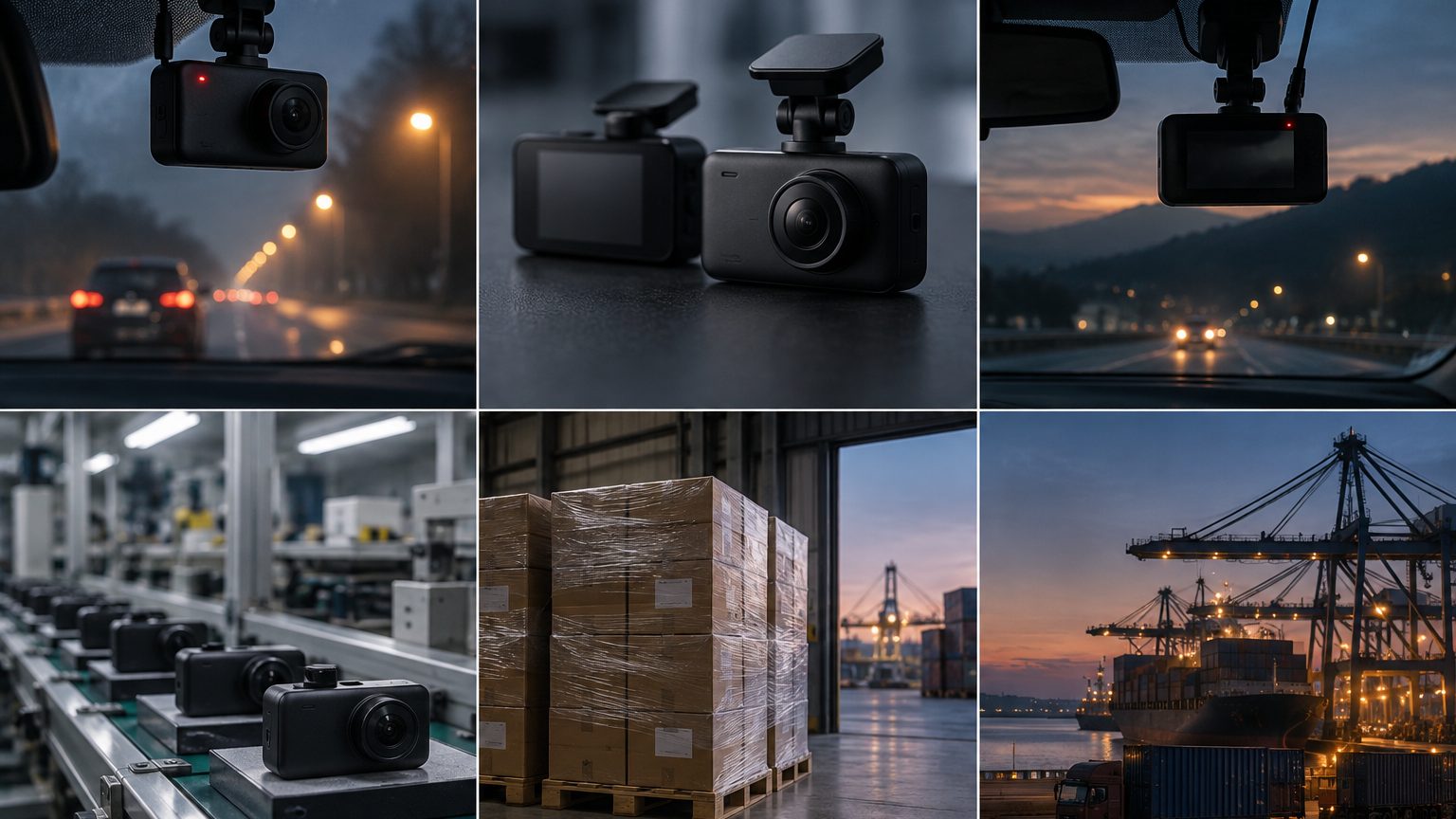
Where shipments leave from
Partner factories sit in the Shenzhen cluster, close to two container ports, Yantian and Shekou, and to air gateways at Shenzhen Bao'an and Hong Kong. That proximity is one reason sampling and bulk can move quickly. The desk books or coordinates the leg you choose and keeps documents - invoice, packing list and any battery paperwork - consistent with the carton marks. The overall sequence is on the procurement process.
Modes and typical times
| Mode | Typical range | Best for |
|---|---|---|
| Express courier | About 3-7 days door-to-door | Samples, urgent small parcels |
| Air freight | About 5-10 days | Launch stock, replenishment, peak season rescue |
| Sea freight to US West Coast | About 15-25 days port-to-port; door-to-door longer | Bulk stock for planned ranges |
| Sea freight to Europe | About 30-45 days | Bulk stock for planned ranges |
These are typical ranges, not schedules. Port congestion, customs inspection and carrier capacity move them, so the desk confirms the expected time for each shipment when the booking is made.
Incoterms in dash cam programs
Four terms cover most programs. EXW means you or your forwarder collect at the factory. FOB Shenzhen means the seller delivers the goods on board at the Shenzhen port, and you take over from there. CIF adds freight and insurance to the named destination port, while DDP puts delivery and duties on the seller side. Availability depends on the route and is confirmed per shipment. Buyers new to imports often start with FOB, because it keeps freight transparent; buyers who want a single landed arrangement ask for DDP. The post on Incoterms for dash cam orders compares them in detail.
Lithium battery versus supercapacitor
The power buffer inside the unit changes the shipping file. Lithium-battery models need a UN38.3 test summary and a safety data sheet for air or sea carriage, and carriers apply restrictions on top. Supercapacitor models avoid the lithium battery restrictions, which is one reason many platforms use them, along with better heat tolerance in a parked car. If a program uses battery models, raise it at the brief so the paperwork is prepared before the cartons are packed. See supercapacitor versus battery and UN38.3 for shipping.
Packing, marks and labeling
A retail gift box goes into a master carton, with carton marks set per buyer. Marketplace warehouse labeling, such as unit barcodes and carton labels, can be prepared at the factory on request. Mixed cartons are avoided unless planned, because they slow receiving. The packing details sit on the private label page.
Documents that travel with the goods
A clean shipment carries a commercial invoice with accurate product descriptions, a packing list that matches the carton marks, and, for battery models, the UN38.3 summary and safety data sheet. For markets that check radio or electrical compliance on import, the relevant test reports or declarations should be ready before the cartons leave. The desk assembles this file from the factory's documents and keeps descriptions consistent, because mismatches between invoice, labels and the product are a common reason for customs questions. Insurance on the cargo is worth discussing at booking, especially for air and express legs where the value per carton is high.
Receiving and first-week checks
When cartons land, a short receiving routine prevents surprises. Count cartons against the packing list, open one carton per model and compare the unit, accessories and manual to the golden sample record, and power up two or three units to confirm the boot logo, the language and the firmware version. Photograph any damage before the carrier leaves, because claims depend on the first record. If something does not match, send the photos and the carton marks to the desk the same day, so the factory batch can be traced while the production lot is still fresh in the records.
Choosing a mode for your program
A first order often goes by air or express to get listings live, then later orders move to sea once sell-through is known. Seasonal ranges need a cutoff date: work back from the in-warehouse date using the longest plausible sea time, and keep air as the fallback. For small programs the quote form asks for destination, delivery address type and preferred term; the reply lists the options with expected times. Send the details with the quote form, and read the production side of the timeline on MOQ and lead time.