
What rideshare and taxi operators need
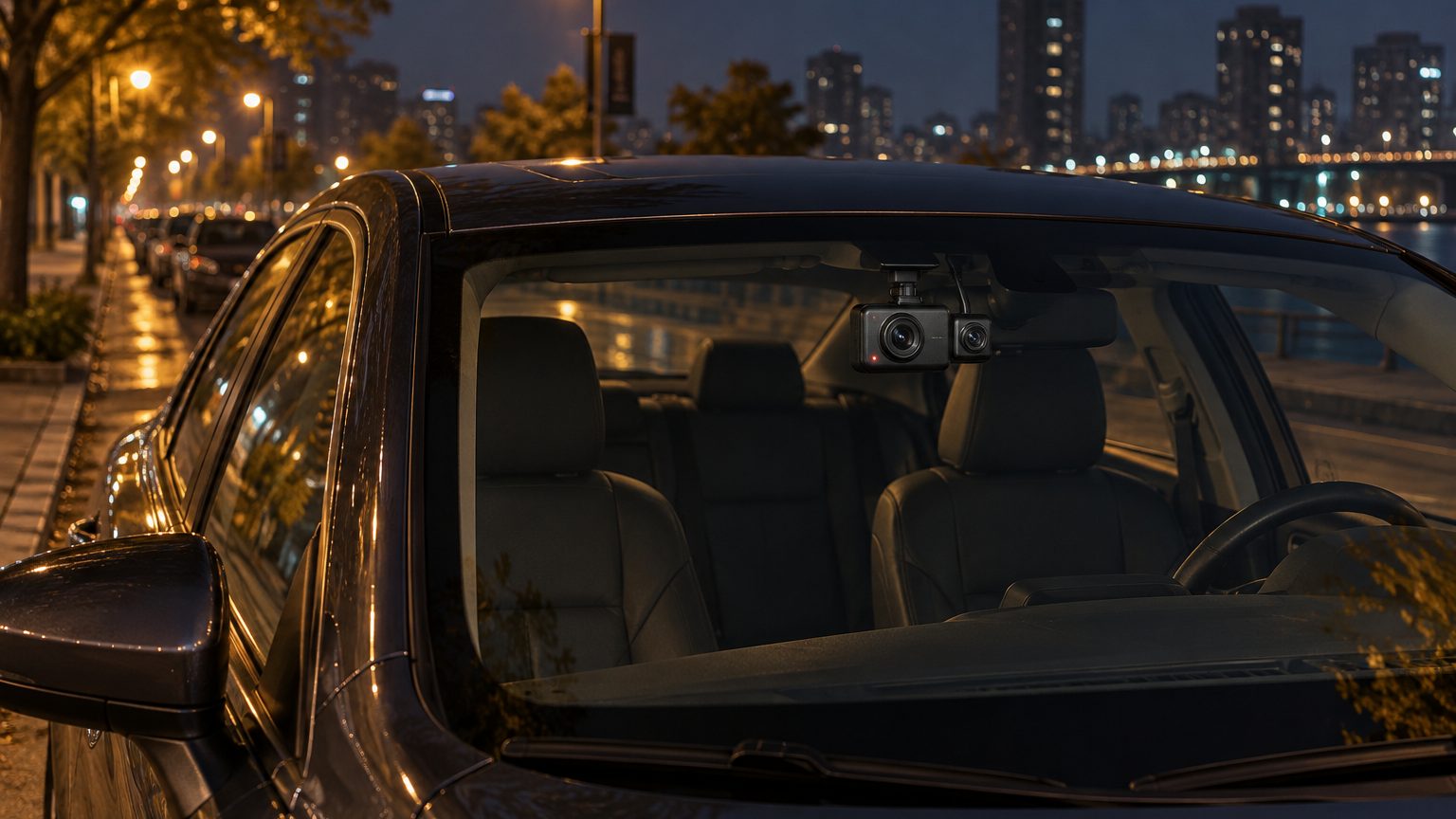
Drivers who carry passengers face disputes that a front-facing camera cannot settle: fare arguments, damage in the cabin, passenger behavior, and incidents at drop-off. They also work at night, so a normal cabin camera that goes dark is of little use. A front-and-cabin system with infrared lighting records both the road and the interior without a visible light, which is why this segment has its own product line. The rideshare dash cam page covers the camera in detail; this page covers how a program around it is built.
Which lines fit and why
The rideshare line is the core: a front camera for road evidence plus a cabin camera with infrared LEDs for night coverage. Operators who also want a rear window view move to a 4K front-and-rear unit and add a separate cabin camera, which is a custom configuration rather than a stock model. Fleet owners who rent cars to drivers often specify the rideshare line together with a hardwire kit so that nothing hangs loose in the cab.
| Buyer | Priority | Configuration |
|---|---|---|
| Taxi company | Uniform fleet, tamper resistance | Rideshare line, hardwired, locked menu, private label |
| Rideshare fleet owner renting cars | Evidence across many drivers | Rideshare line, hardwire kit, 128GB card |
| Driver community or association | Simple self-install, group order | Plug-in kit, WiFi app, branded box |
| Dealer or leasing partner | Clean fitment on new vehicles | Hardwired, hidden routing |
Channels and infrared
The cabin camera uses infrared illumination so it can record in a dark cab. Infrared LEDs add heat and a small load, so mounting position, field of view and brightness are reviewed in sample clips recorded in a real car at night. Cabin images should be judged on faces and hands at passenger distance, not only on overall brightness. Glare is the other trap: infrared light reflects off side windows and shiny trim, so the review includes clips with the windows closed and the cabin light off. Wide-angle cabin lenses cover both rear seats but stretch the edges, and the spec sheet should state the field of view so that the camera is matched to the car size, from compact taxis to minivans. The units are standalone recorders with optional WiFi download; they are not live 4G video, and GPS is optional.
Installation and power
A single-camera plug-in kit takes minutes; a hardwired front-and-cabin install takes longer and needs routing along the A-pillar and headliner. Installers prefer a kit with the right cable lengths for sedans and SUVs, and a cutoff that protects the battery when the car sits overnight. Operators of larger groups often standardize on hardwiring so drivers cannot unplug or move the camera. Heat is a second concern: a cabin camera with infrared LEDs and a dark dashboard can run warm in summer, which is why supercapacitor models are preferred over lithium battery models, and why the desk asks the factory to run the burn-in test with both channels recording. Mount choice also matters in a passenger car, because the cabin lens must see the rear seat without blocking the driver's view. See the hardwire kit line.
Privacy, audio and passenger notice
Cabin recording is the most sensitive use of a dash cam. Audio recording laws differ widely, and in some places both parties must be informed; some places also require notice to passengers that they are being recorded. Rules vary by country and state, and ride platforms and local regulators may add their own requirements. The desk gives general information only and recommends checking local law and platform rules. Firmware defaults, such as audio off by default, a visible indicator, or a locked menu, can be set in an OEM program once the operator decides the policy. See firmware and app customization.
Procurement path, MOQ and lead time
Operators begin with samples to test night image quality and install fit; driver communities often start with a small trial group. After the golden sample is approved, private label (logo, box, manual) commonly starts from about 100 pieces per model as published by Shenzhen OEM suppliers. Samples: stock in days, custom about 7-15 working days. Bulk: stock-based about 15 working days, custom about 25-45 days after sample approval. Everything is confirmed in writing per program on MOQ and lead time.
An illustrative example: a taxi cooperative orders sample sets, tests them across a night shift, sets audio off in firmware, then places a private-label order with its logo on the housing. Send your own brief through the quote form.